Hechsher first
Choose supervision that works for your home, guests, and occasion.
JE WineClub field notes
Find the bottle that fits the meal, the people around the table, and the moment you are opening it for.
Start with your tasteA quick kosher note
Every bottle should carry a hechsher you trust. For catered events and shared kitchens, check whether the wine is mevushal as well. The wine styles below are a starting point—not a substitute for checking the label in your hand.
Choose supervision that works for your home, guests, and occasion.
It can be important for catering and public service. Ask when it matters.
A small temperature adjustment often makes a bottle taste much better.
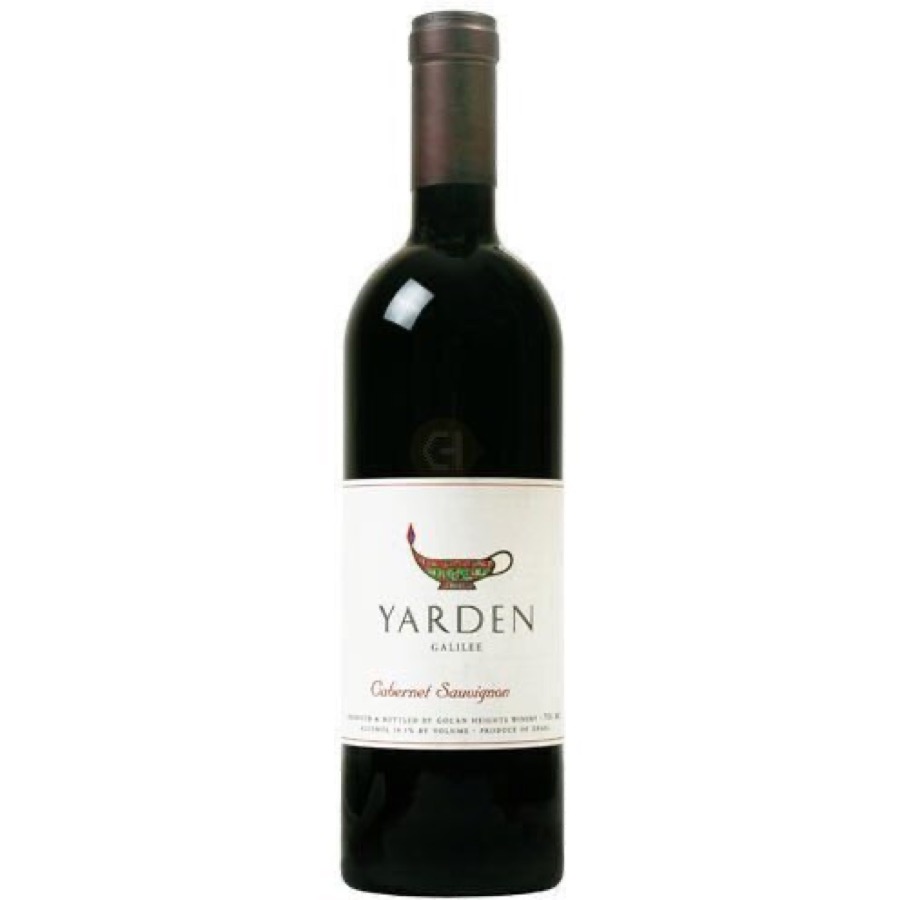
01 / Bold red
Full, structured, and made for a serious main course.
Cabernet is dry with firm tannin and dark-fruit depth. Decant it when you can; it opens beautifully beside rich Shabbos and Yom Tov dishes.
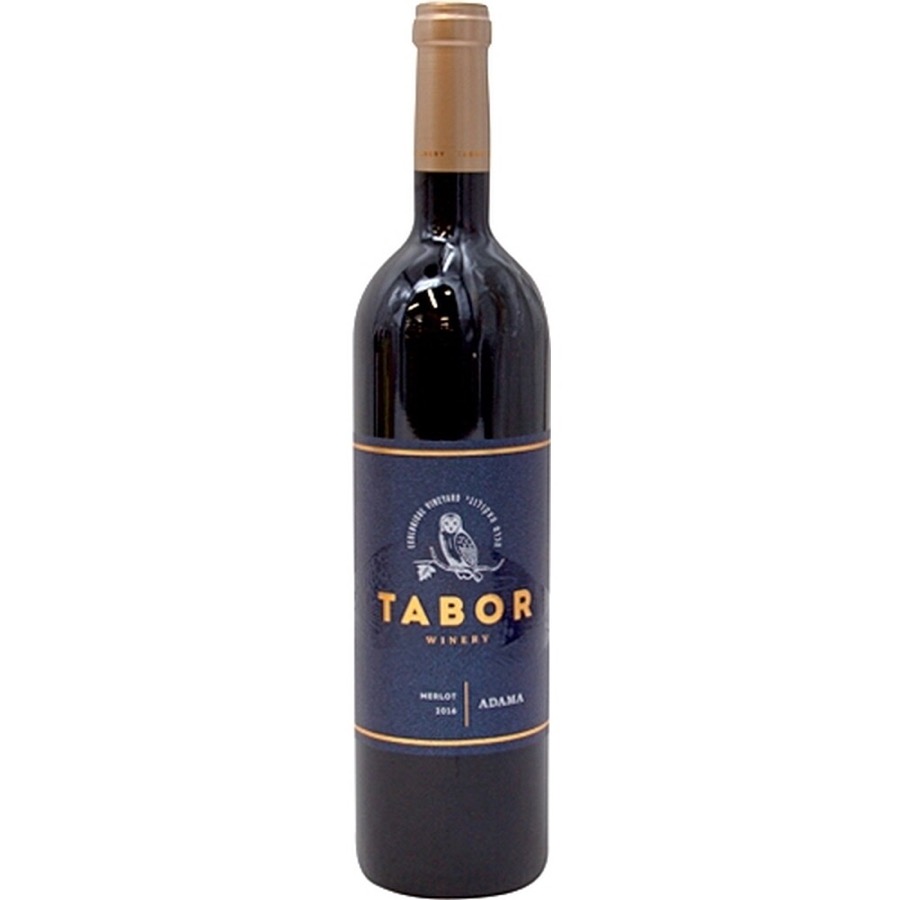
02 / Smooth red
Plush and familiar, with softer edges than Cabernet.
Merlot is a generous middle ground: enough body for meat, enough softness for a mixed table. It is an easy first red for a guest who does not usually drink red wine.
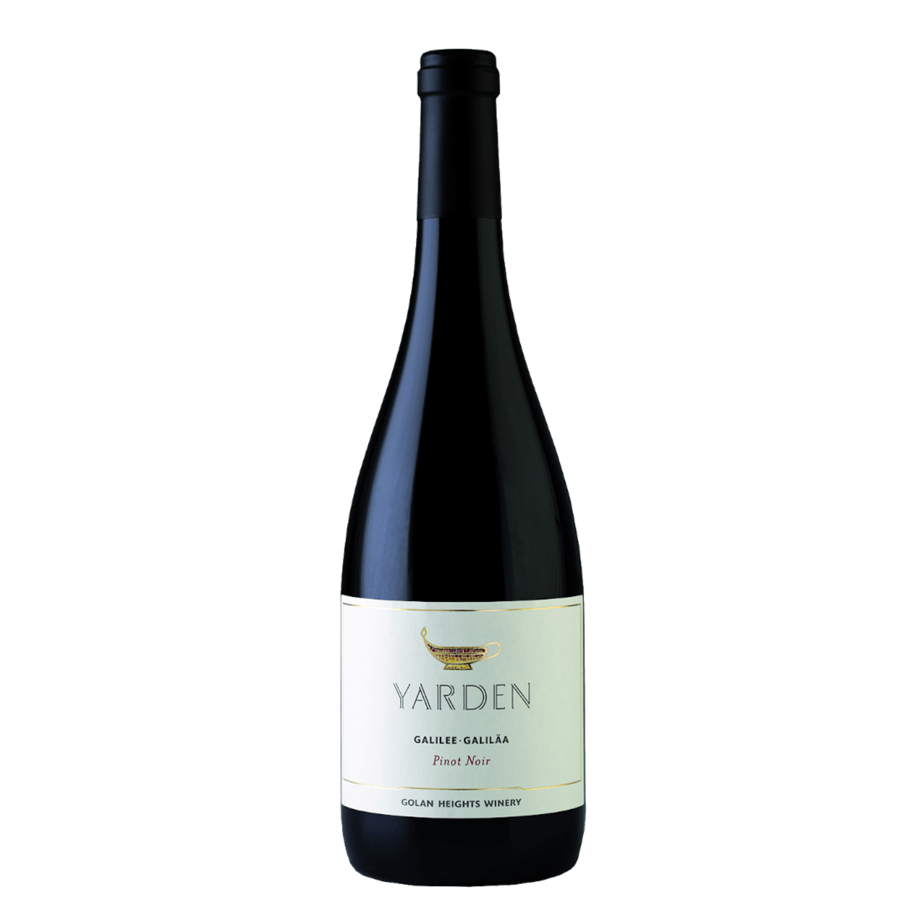
03 / Elegant red
Fragrant, lighter on its feet, and quietly complex.
Pinot Noir carries bright red fruit, gentle tannin, and a savory note that makes it unusually flexible at the table. A short chill brings its lift into focus.
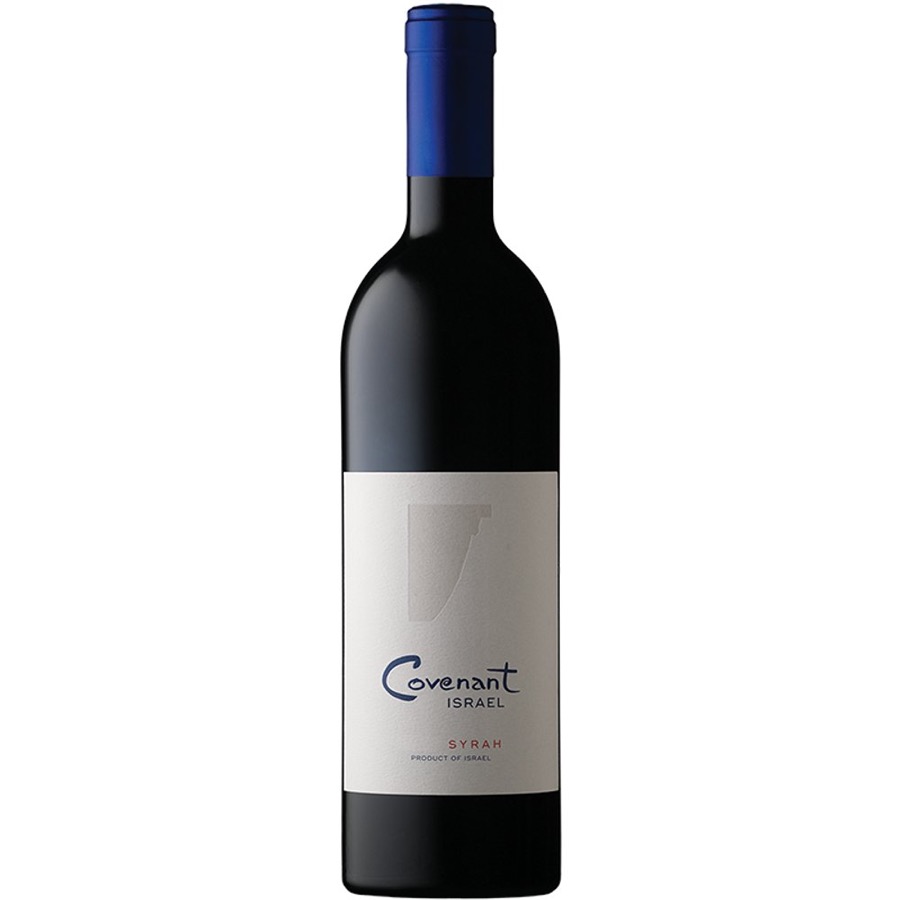
04 / Spiced red
Dark fruit, pepper, and a savory finish.
Syrah often feels fuller and more spiced than Merlot. Its peppery, savory character loves char, herbs, and a deeply seasoned roast.
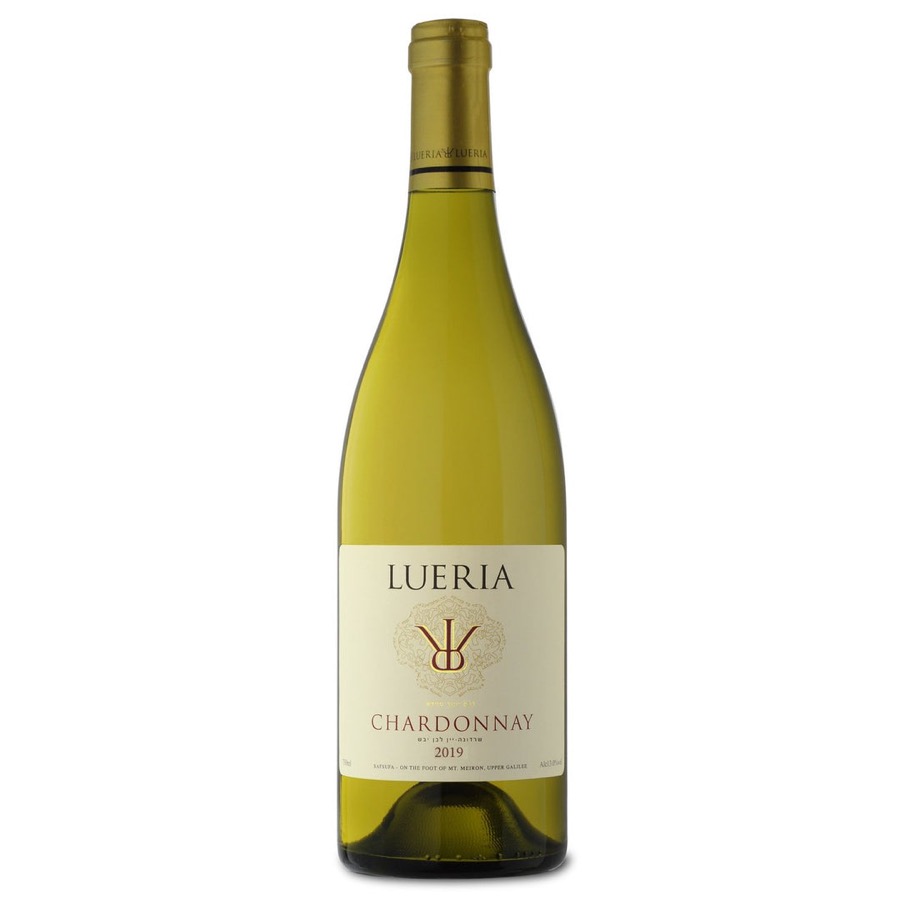
05 / Round white
From crisp and mineral to creamy and oak-kissed.
Unoaked Chardonnay stays bright and clean; oak-aged Chardonnay feels richer, with butter and toast notes. Let the wine warm slightly in the glass before deciding which side you prefer.
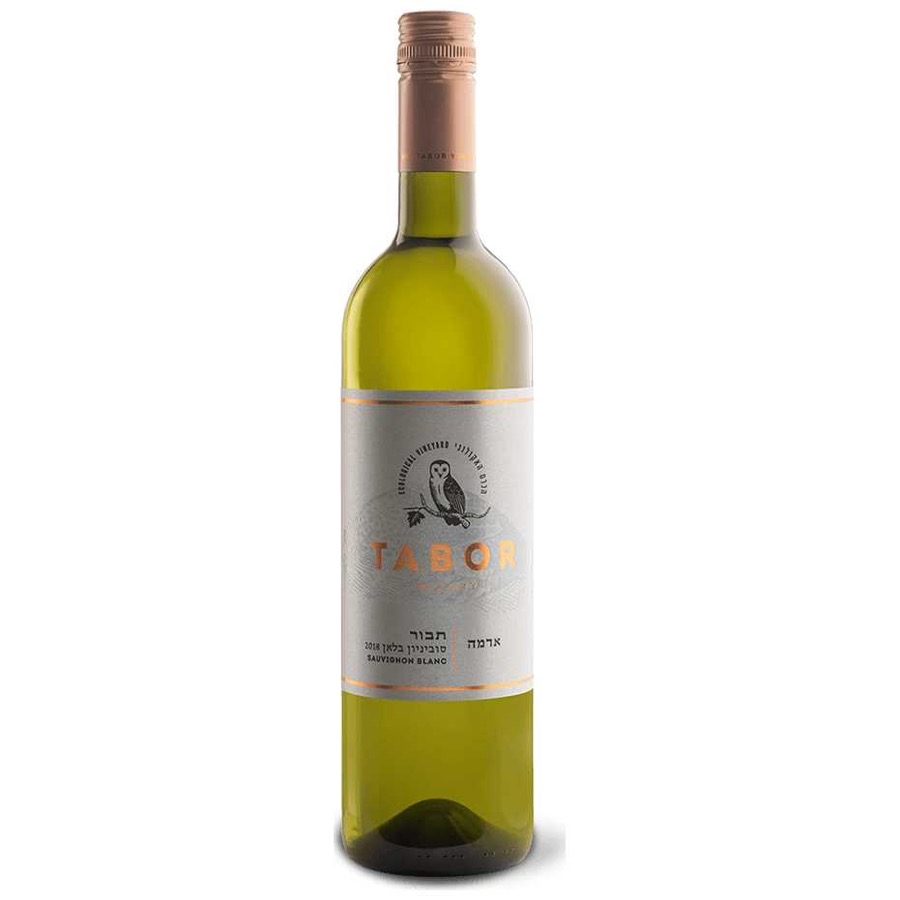
06 / Crisp white
Lively, citrusy, and built for freshness.
This is a terrific “open now” white. Its acidity keeps the palate fresh and makes it especially good with herbs, vegetables, and lighter starters.
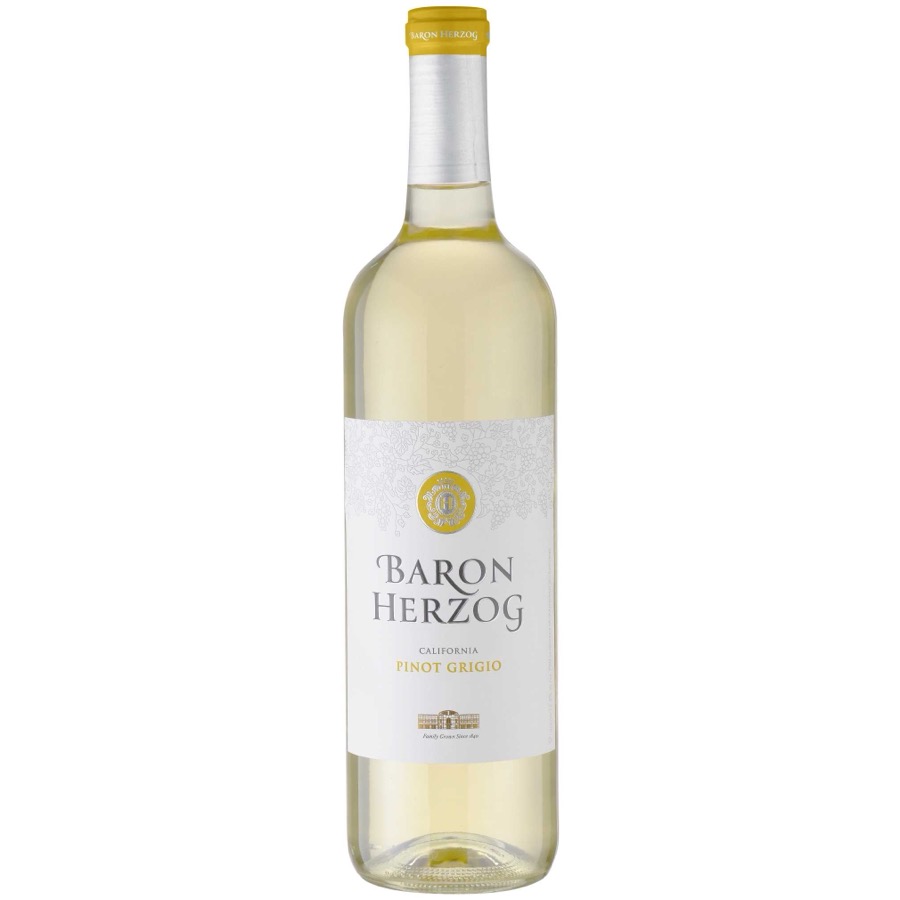
07 / Light white
Easy, clean, and quietly refreshing.
Pinot Grigio is dry, light-bodied, and an easy crowd-pleaser. Bring it well chilled, then let the fruit show as it warms a touch.
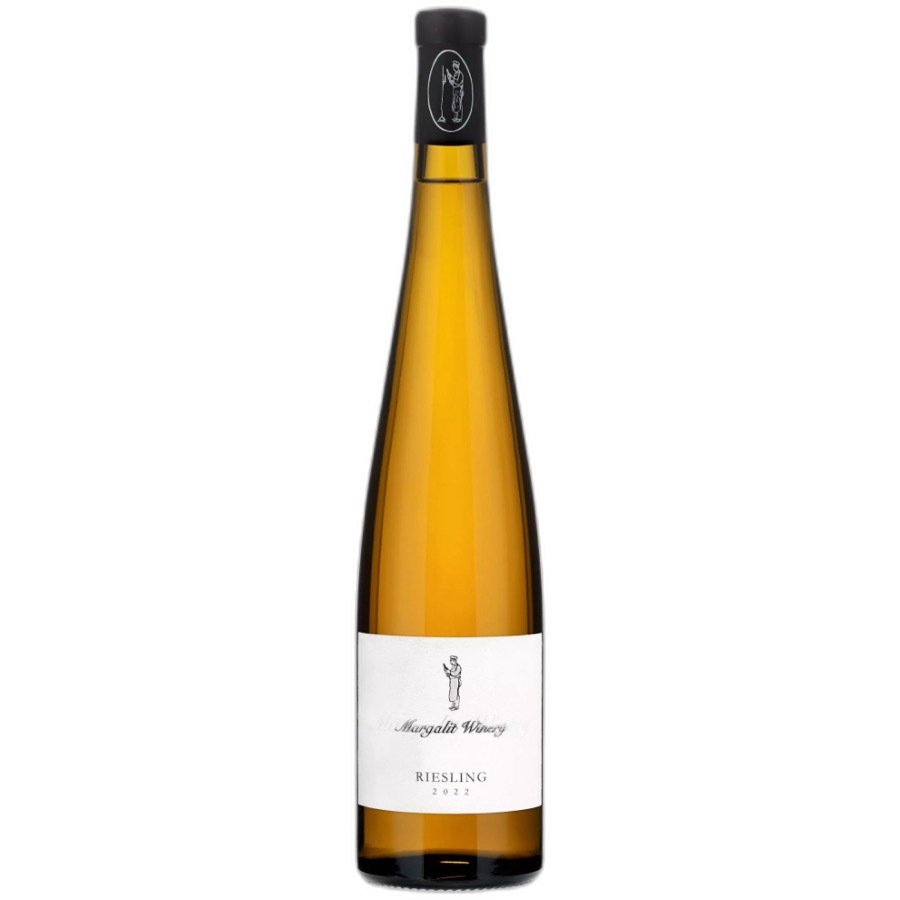
08 / Aromatic white
Floral and electric, dry to sweet depending on the bottle.
Riesling’s high acidity is its superpower. It can refresh between spicy bites and balance a slightly sweet dish without feeling heavy.
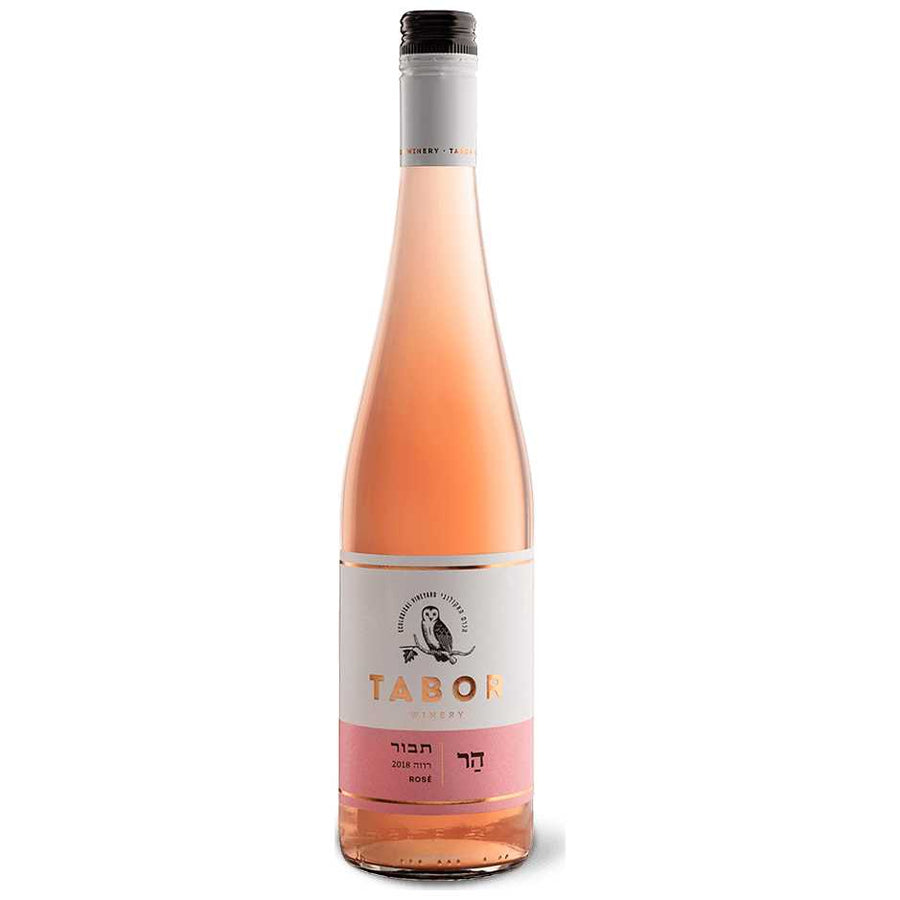
09 / Rosé
Cold, dry, bright, and far more than a summer wine.
Rosé gets its colour from a short time on red-grape skins. A dry rosé is a beautiful bridge between white-wine freshness and red-wine fruit.
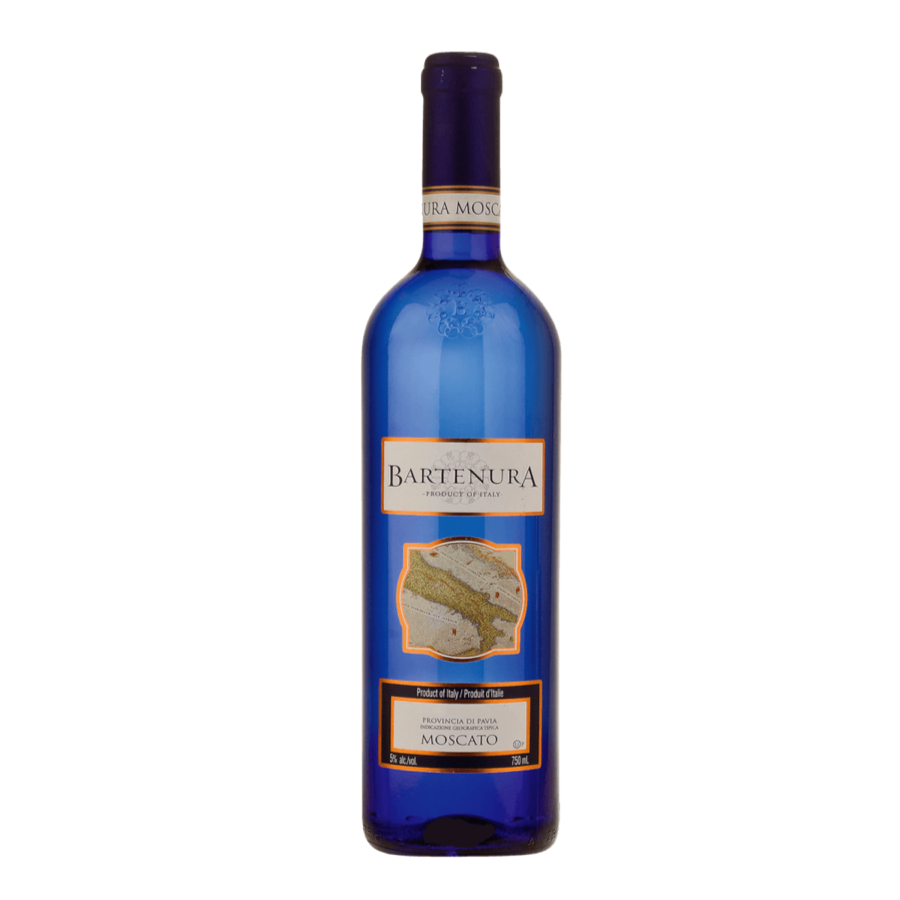
10 / Sweet & light
Fragrant, gently sweet, and often lightly sparkling.
Moscato is lower in alcohol and joyfully aromatic. It is an excellent option for someone who likes sweeter wine, or for balancing heat in a spicy course.
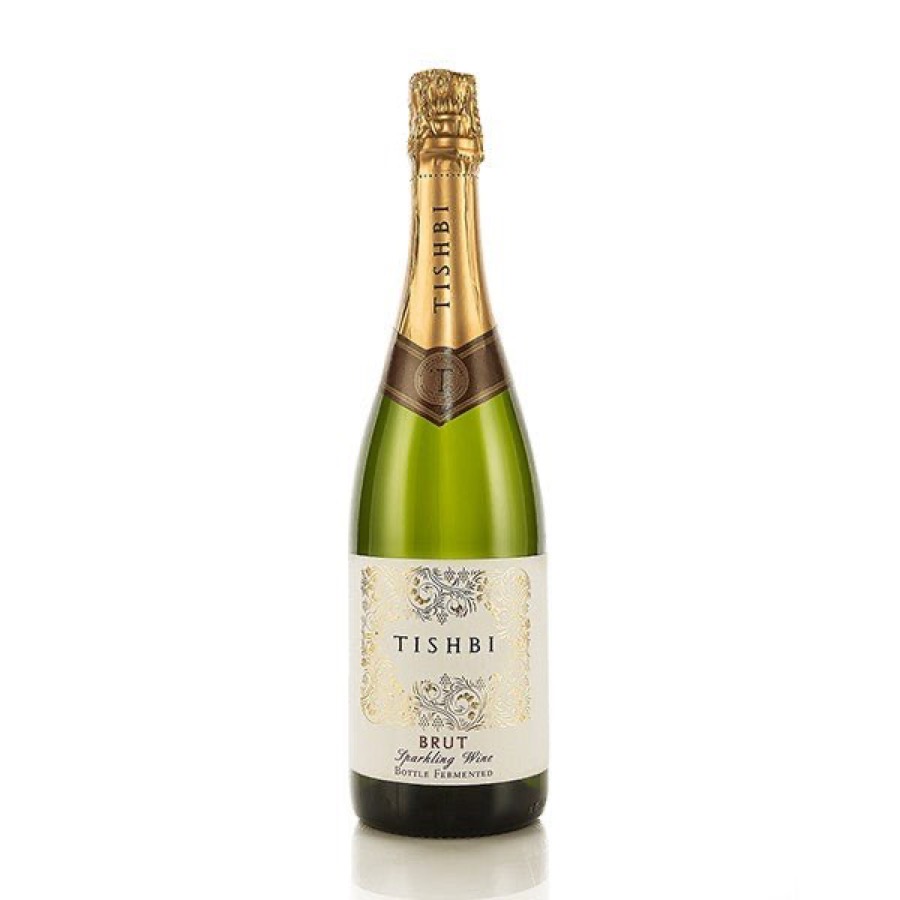
11 / Celebratory
Dry bubbles make an occasion, and sharpen an appetite.
A dry Brut works before the meal, with fish, and through a festive toast. It is one of the most versatile bottles to bring to a table.
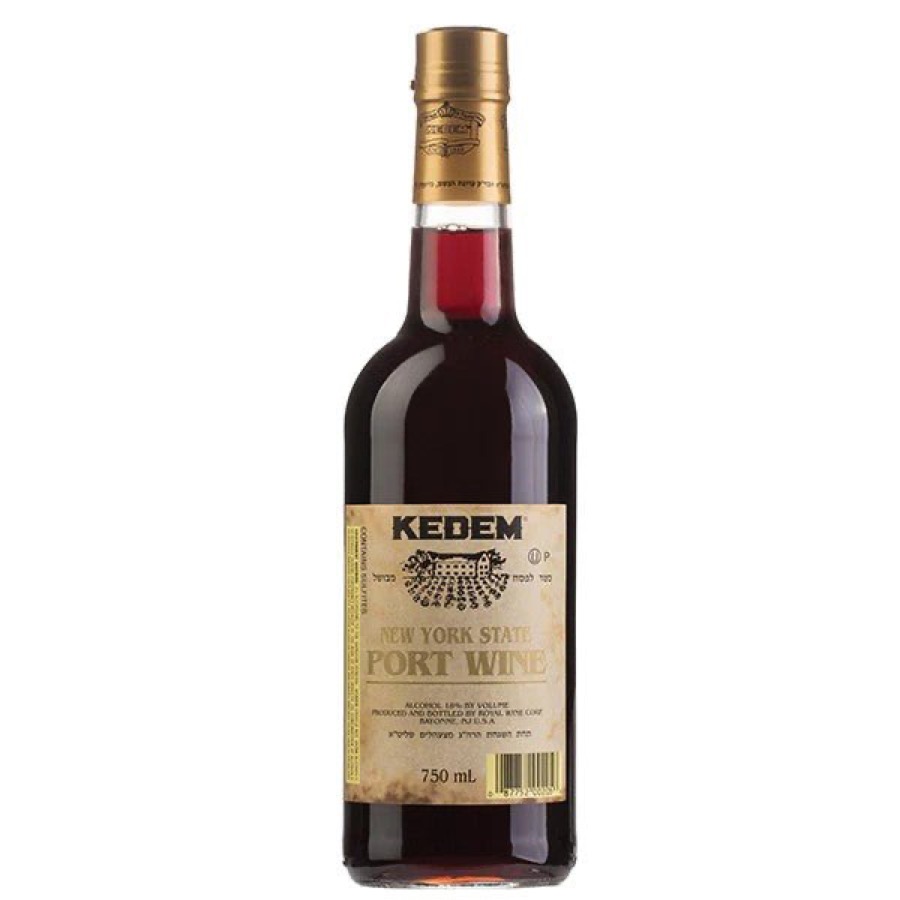
12 / After dinner
Richer, sweeter, and poured in a smaller glass.
Fortified wine has higher alcohol and more richness. A small pour is usually right, especially alongside chocolate, fruit, or an end-of-meal cheese course.
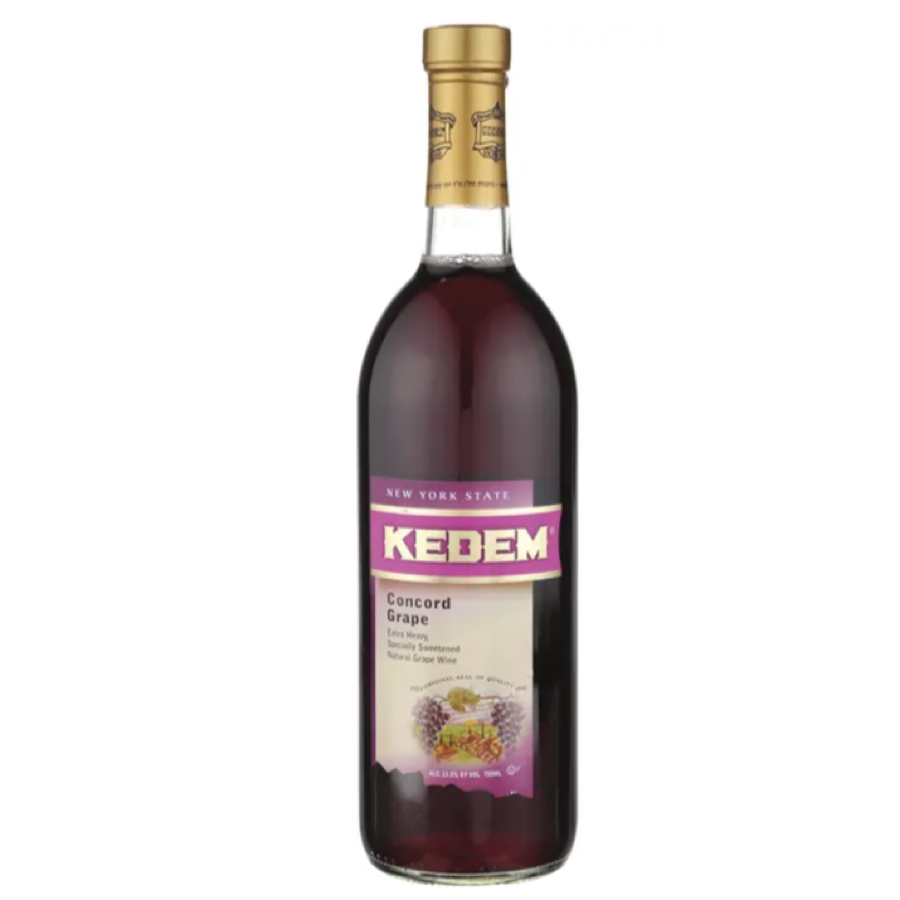
13 / The familiar pour
Sweet, unmistakably grapey, and a beloved tradition at many tables.
There is room for both tradition and discovery. Concord-based wine is sweet and familiar; many families choose it for Kiddush while serving dry wine with the meal.
The simple rule
Start with one bottle you know will work, then add a contrast: a crisp white beside a red, a sparkling bottle for the beginning, or something sweet for the end.
Shop winesBottle labels shown are real kosher wine examples used for education only. They do not indicate current JE WineClub inventory; always confirm current availability and your preferred hechsher before ordering.